
glass panel room divider
How to Change a Main Water Valve Changing a main water valve may seem like a daunting task, but with the right tools and instructions, it can be accomplished by a homeowner with basic plumbing knowledge. The main water valve is essential for controlling the water supply to your entire house, making it crucial to ensure it is functioning properly. Here’s a step-by-step guide on how to change your main water valve safely and effectively. Tools and Materials Needed Before starting the process, ensure you have the following tools and materials 1. Pipe Wrench For loosening and tightening connections. 2. Adjustable Wrench Useful for securing fittings. 3. Screwdrivers Both flathead and Phillips for any screws present. 4. Teflon Tape For sealing threaded connections. 5. Basin Wrench If the valve is in a tight location. 6. Replacement Valve Ensure you have the correct size and type based on your current valve. 7. Bucket To catch any residual water when you remove the old valve. 8. Safety Goggles and Gloves For protection during the process. Step 1 Locate the Main Water Valve The first step is to locate your main water valve. It is typically found near where the water line enters your home, often in the basement, crawl space, or on an exterior wall. The valve may look like a round wheel or a lever. Familiarizing yourself with its location is important, as you will need to turn it off before replacing it. Step 2 Turn Off the Water Supply Once you’ve found the valve, turn it off by rotating it clockwise. If it’s a lever valve, simply turn the lever perpendicular to the piping. This action will stop the flow of water into your home. To verify that the water is off, turn on a faucet in the house and ensure that there is no water flow. Step 3 Drain the Pipes After shutting off the main water valve, it’s necessary to drain any remaining water from the pipes. Open the lowest faucet in your home to allow air into the system, which will help drain the remaining water out. Placing a bucket underneath the valve can help catch any water that spills during the removal process. how to change main water valve Step 4 Remove the Old Valve Using the pipe wrench, begin loosening the nuts that secure the main water valve to the pipes. If the valve is rusty or stuck, you may need to apply penetrating oil and allow it to sit for a while before attempting to loosen it again. Be careful to hold the pipe securely to avoid damaging it. Once the nuts are loosened, remove the old valve completely. Step 5 Install the New Valve Before installing the new valve, wrap the threaded ends of the pipe with Teflon tape. This will help create a watertight seal and prevent leaks. Next, position the new valve in place and hand-tighten the nuts to secure it. After ensuring it's correctly aligned, use the adjustable wrench to further tighten the connection. Be cautious not to overtighten, as this can damage the valve or pipes. Step 6 Turn the Water Supply Back On Once the new valve is securely in place, return to the main water valve and turn it back on by rotating it counterclockwise or moving the lever back to its original position. After turning it on, check for leaks around the new valve and the connections. If you notice any leaking, you may need to tighten the connections slightly. Step 7 Test the System With the new valve installed and no leaks detected, test the system by turning on several faucets throughout your home. This will help you ensure that the water is flowing correctly and that there are no air pockets. If the water pressure is inconsistent or if you note any issues, you may need to further troubleshoot your plumbing system. Conclusion Changing a main water valve can be a straightforward task if you approach it methodically and with the right tools. Regular maintenance of your plumbing system, including the main water valve, can prevent significant issues down the line. If at any point you feel unsure or encounter difficulties, consider consulting a professional plumber to ensure the work is completed safely and effectively. Remember, taking proactive steps can save you time and money in the long run.
about
glass panel room divider
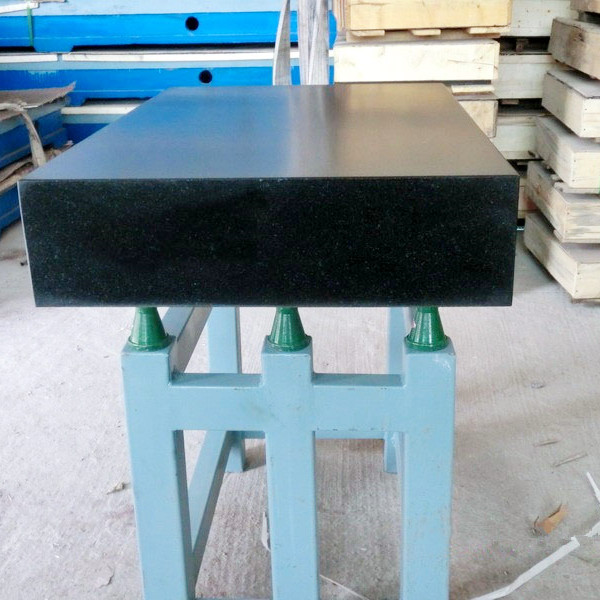
The Importance of Granite Inspection Plates in Precision Engineering Granite inspection plates are an essential tool in the field of precision engineering and metrology. These plates provide a stable and flat surface that is crucial for various inspection and measurement tasks. This article explores the significance of granite inspection plates, their applications, and the reasons behind their popularity in manufacturing and engineering processes. What are Granite Inspection Plates? Granite inspection plates are flat surfaces made from natural granite stone, known for their exceptional hardness and stability. The granite used in these plates is sourced from specific regions, particularly where the stone is dense and uniform. The plates are precisely machined to achieve a high degree of flatness and surface finish, ensuring that they can serve as a reliable reference point for measurements. Advantages of Granite Inspection Plates 1. Stability and Rigidity Granite is an incredibly stable material that resists deformation even under heavy loads. This property makes granite inspection plates ideal for use in high-precision environments where even the slightest warping can lead to measurement errors. 2. Flatness and Surface Finish Granite plates are meticulously ground and lapped to achieve a flatness tolerance that meets strict specifications. This precision is critical for applications in quality control and testing, where accurate measurements are paramount. 3. Thermal Stability Granite has a minimal coefficient of thermal expansion, meaning that its dimensions remain nearly unchanged with temperature fluctuations. This thermal stability is vital in environments where temperature control is challenging, ensuring that measurements remain consistent. 4. Durability Granite is resistant to scratching and wear, which contributes to the longevity of inspection plates . Unlike softer materials that may degrade over time, granite inspection plates can maintain their performance over many years with proper care. granite inspection plate 5. Chemical Resistance Granite's natural properties make it resistant to many chemicals, oils, and solvents commonly found in industrial settings. This resistance ensures that the surface of the inspection plate remains intact and unaffected, preserving its precision over time. Applications in Industry Granite inspection plates are widely used across various sectors, including aerospace, automotive, and manufacturing. Some specific applications include - Measurement and Calibration Engineers and technicians use granite plates as reference surfaces for calibrating measuring instruments such as gauges, micrometers, and CMM (Coordinate Measuring Machines). - Assembly and Machining In manufacturing, granite plates provide a stable platform for assembling precision components. They can be used during machining processes to ensure that parts are accurately aligned and positioned. - Quality Control Quality assurance teams utilize granite plates to perform inspections and audits on manufactured products. These plates serve as a benchmark against which dimensional tolerances and specifications can be verified. - Tool and Die Making In the tool and die industry, granite plates are crucial for the layout and inspection of molds and dies, ensuring that they meet tight tolerances needed for production. Conclusion Granite inspection plates are indispensable assets in the realm of precision engineering. Their unmatched stability, durability, and resistance to environmental factors make them the preferred choice for many applications that require stringent measurement standards. As industries continue to evolve and demand even higher levels of accuracy, the role of granite inspection plates will only grow in importance. Investing in high-quality granite inspection plates is a decision that pays dividends in the form of enhanced quality control, improved operational efficiencies, and ultimately, greater customer satisfaction.
-

High quality industrial productsagement

High quality industrial products
View Details -

Meet the diverse needs of customers

Meet the diverse needs of customers
View Details -

Strict quality control

Strict quality control
View Details -

Top raw materials

Top raw materials
View Details -

Trusted supplier

Trusted supplier
View Details
Our application

news and information

Various Types of Water Check Valves and Their Applications
Types of Check Valves for Water Check valves play a crucial role in fluid control systems, particula
Versatile Adjustable Thread Ring Gauge for Precision Measurement and Quality Control in Manufacturin
Understanding Adjustable Thread Ring Gauges In the world of precision engineering and manufacturing,
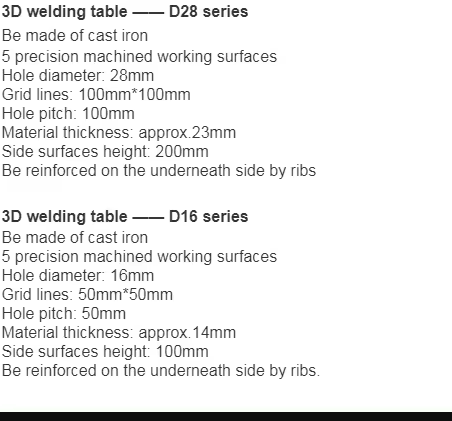
welding table cost
Understanding the Costs of Welding Tables When it comes to metalworking and fabrication, having the
 English